Public companies must regularly file SEC reports, which are mandatory disclosures they file with the Securities and Exchange Commission (SEC). These reports clearly show how the company is doing financially and what’s going on in its operations. Investors need to get this info so they can make smart choices about where to put their money.
Being open and following the rules is super important for companies that are publicly traded. It helps keep investors safe and keeps the market running smoothly. When companies stick to Securities and Exchange Commission (SEC) filing rules, it shows they’re serious about being accountable, which helps build investor trust and keeps the market stable. As far as SEC filings go, what should investors know?
What are SEC Filings?
SEC filings are essential financial documents that public companies must submit to meet regulatory requirements. These documents provide investors, analysts, and regulators with transparent, detailed insights into a company’s financial condition and operational status. By delivering accurate snapshots of corporate performance, SEC filings establish the foundation for market integrity and investor protection in today’s complex financial landscape.
For stakeholders, these filings deliver far more than routine compliance data. They offer critical visibility into a company’s strategic direction, performance trends, and potential risk factors. Investors depend on these documents to evaluate investment opportunities with confidence, while analysts use the standardized reporting formats to develop reliable market forecasts. Regulators, meanwhile, rely on timely and accurate SEC filings to ensure companies fulfill their obligations to shareholders and maintain market stability.
The history of SEC filings dates back to the aftermath of the Great Depression, when the Securities Exchange Act of 1934 established the SEC to prevent fraudulent activities and enhance transparency in financial markets. Over time, filing requirements have evolved significantly, adapting to new market dynamics, financial instruments, and technological advancements. Today, the electronic filing system, EDGAR, facilitates quick and efficient submission and retrieval of company filings.
Make Your Next SEC Filing the Easiest One Yet
Join hundreds of satisfied clients who trust our responsive team for their EDGAR/iXBRL filings, newswire, and financial printing needs.
How the SEC EDGAR System Works
The Securities and Exchange Commission serves as the financial market’s watchdog, implementing and enforcing reporting standards that give investors reliable access to company information. At its core, the SEC’s mission is to protect investors by maintaining fair, orderly markets through regulatory oversight that promotes transparency. Through carefully designed disclosure requirements, the SEC creates a level playing field where investors can make decisions based on accurate financial data rather than speculation.
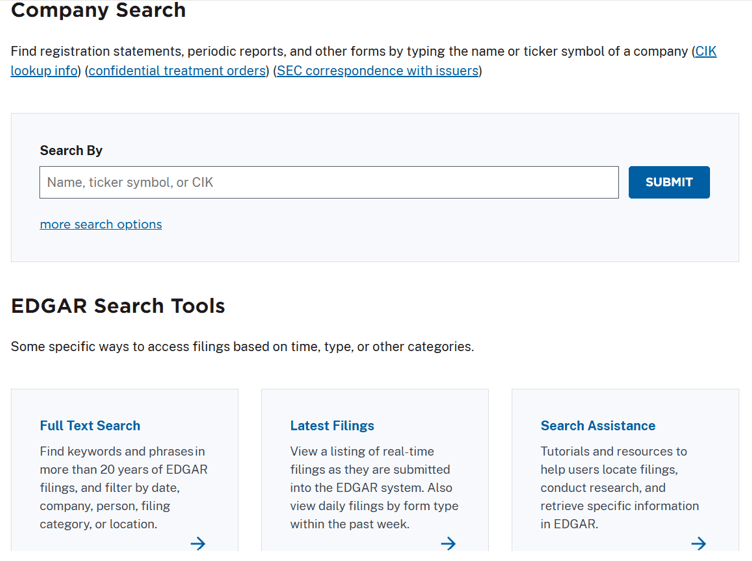
Central to the SEC’s oversight capabilities is the Electronic Data Gathering, Analysis, and Retrieval (EDGAR) system, an electronic platform where companies submit mandatory filings. EDGAR streamlines the submission process and allows the public free and immediate access to filings, enhancing transparency and facilitating informed decision-making. Companies are required to submit their filings electronically through EDGAR, ensuring prompt public availability of financial information.
Beyond managing the submission process, the SEC conducts comprehensive reviews of company filings to verify compliance with disclosure requirements and accounting standards. These reviews range from routine examinations to targeted investigations when discrepancies emerge. The SEC’s enforcement capabilities provide essential accountability in the financial ecosystem, with consequences for non-compliance that include monetary penalties, mandated procedural changes, or legal proceedings for serious violations. This oversight ensures that investors can trust the information companies provide, strengthening market confidence.
Primary Functions of the SEC
The SEC’s oversight extends across several crucial domains that collectively safeguard our financial markets:
- Ensuring that exchanges operate transparently and fairly and protecting investors.
- Investigating and prosecuting fraudulent activities such as insider trading and securities fraud.
- Providing investors with tools and resources to understand financial markets and make informed decisions.
- Creating and adapting rules to keep pace with market innovations and conducting surveillance to detect market abuses.
- Safeguarding market integrity by requiring accurate disclosures and transparency from all market participants.
This comprehensive approach to market oversight has established the U.S. securities markets as among the most trusted and efficient in the world, attracting capital from domestic and international investors who value regulatory consistency and investor protection.
Most Important Types of SEC Forms
Being familiar with the variety of SEC filings is essential for efficient compliance management and investor relations. Each document has a distinct purpose within the regulatory framework, providing specific information about a company’s activities and financial position at different intervals.
For corporate finance teams and compliance officers, mastering these filing requirements is a fundamental responsibility. Properly executed filings demonstrate not only regulatory adherence but also organizational competence and transparency. Companies that consistently deliver accurate, timely filings typically build stronger credibility with investors, analysts, and regulators, while reducing their exposure to compliance risks and potential penalties.
Major SEC Filing Types
| SEC Form | Purpose | Frequency |
| 10-K | Annual comprehensive financial report | Annual |
| 10-Q | Quarterly updates on financial condition | Quarterly |
| 8-K | Immediate disclosures of material events | As needed |
| S-1 | Registration for IPO | Once |
| S-4 | Filing for mergers/acquisitions | As needed |
| Schedule 13D | Disclosure for beneficial ownership | As needed |
The Form 10-K provides a comprehensive annual overview of a company’s financial performance, risks, and operations.

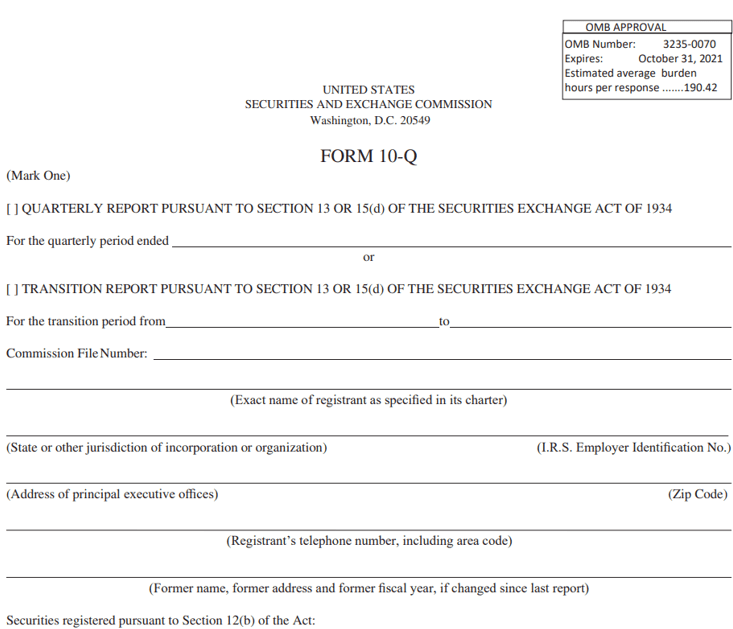
The Form 10-Q offers quarterly updates on a company’s financial condition and recent developments.
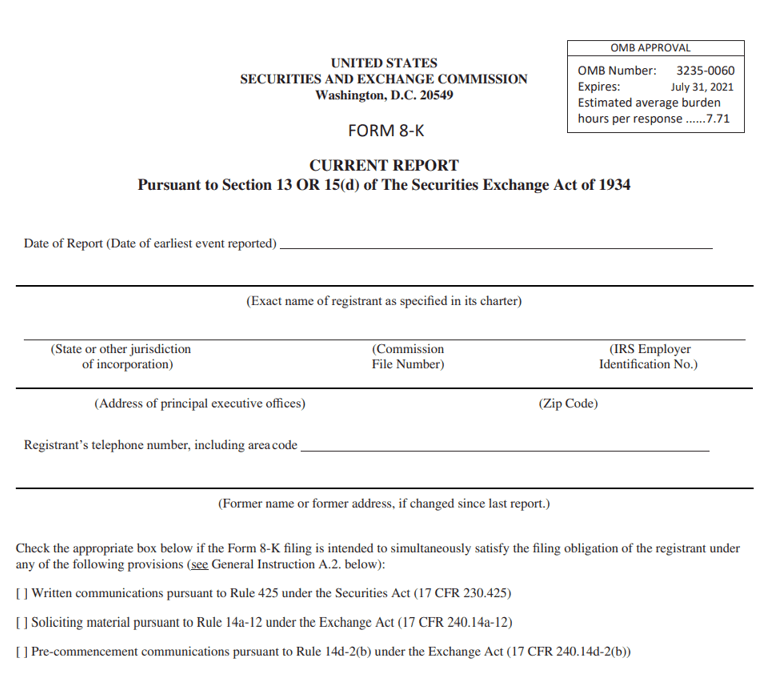
The Form 8-K discloses major events that shareholders and regulators need to know about immediately.
Key Documents Required for SEC Filings
Successful SEC filings require several carefully prepared documents that collectively tell a company’s financial story. Companies must prepare three core financial statements: balance sheets that capture assets and liabilities, income statements that demonstrate profitability, and cash flow statements that track monetary movements. These aren’t merely internal records, as they require verification from independent auditors who confirm GAAP compliance.
What distinguishes exceptional filings from subpar ones is a well-crafted Management’s Discussion and Analysis section. The MD&A serves as the company’s voice amid the financial data. Here, management explains what the financial results signify, the rationale behind certain decisions, and where they anticipate challenges and opportunities. Investors frequently consult this section first to understand not just financial outcomes, but their broader implications.
Governance documentation completes the picture by revealing operational structures at the leadership level. These disclosures bring transparency to executive compensation packages, board member qualifications, and decision-making frameworks. This visibility helps investors evaluate whether leadership interests align with their own and whether appropriate oversight exists to protect their investments.
Common Documents Included
Each SEC filing requires specific supporting materials that provide both quantitative data and qualitative context:
- Audited financial statements, including the balance sheet, income statement, and cash flow statement, are all verified by a certified public accountant.
- Detailed notes clarify accounting policies, liabilities, and any contingencies.
- MD&A statements, which cover management’s commentary on financial performance and future outlook.
- Corporate governance details, which cover information about executive pay, board composition, and shareholder voting rights.
- Risk factor disclosures cover known risks that may impact financial performance or operations.
These components work together to create filings that satisfy regulatory requirements while building investor confidence in the company’s transparency and governance practices.
Common Mistakes in EDGAR Filings
Even the most experienced companies occasionally stumble when navigating the complexities of SEC filings. These missteps can range from data inconsistencies to material omissions, each carrying potential consequences that extend beyond mere regulatory penalties. Common examples include:
- Mismatches between line items or summary data across filings can confuse investors and raise red flags.
- Failing to meet filing deadlines may result in penalties and damage a company’s credibility.
- Not updating executive roles or board composition can result in non-compliance.
- A vague or overly optimistic MD&A can be flagged for not presenting a balanced view.
- Leaving out material risks can mislead investors and lead to enforcement actions.
When companies fall short on compliance obligations, the consequences can escalate quickly from warning letters to substantial penalties, reputation damage, or even litigation from investors who relied on inaccurate or incomplete SEC filings.
Steps to Avoid Common Filing Errors
Companies can substantially reduce their filing error risk through structured preparation processes:
-
- Ensure accurate and timely financial reporting by keeping internal books up-to-date and reconciling discrepancies early.
- Monitor leadership changes and board member updates for inclusion in reports.
- Double-check EDGAR submission guidelines, and stay current with changes to EDGAR requirements and formatting.
- Conduct rigorous internal reviews involving finance, legal, and compliance teams.
- Engage third-party professionals for audits, because independent reviewers can spot issues internal teams may overlook.
- Train staff on filing procedures, as ongoing training helps ensure everyone understands their role in compliance.
- Create internal deadlines that precede SEC due dates to allow time for revisions.
These systematic approaches transform filing compliance from a reactive scramble into a controlled process that protects both regulatory standing and market reputation.
Technology Benefits SEC Reporting Compliance
The compliance landscape has undergone a remarkable transformation as technology reshapes how companies approach their SEC filing obligations. Advanced software solutions now streamline what was once a labor-intensive process, with sophisticated tools that capture data directly from financial systems, automate formatting according to SEC specifications, and validate content before submission.
Today’s filing platforms eliminate many traditional pain points in the compliance process. By automating repetitive tasks and implementing validation checks, these systems dramatically reduce errors that could trigger SEC inquiries or amendments. Compliance teams benefit from streamlined workflows that compress preparation time from weeks to days, allowing finance professionals to shift their focus from document production to strategic analysis. For multi-location businesses, cloud platforms have become particularly valuable. They enable real-time collaboration across geographically dispersed teams working from a single, authoritative document.
Modern compliance systems receive regular updates reflecting the latest SEC requirements, taxonomies, and validation rules. With automated alerts for approaching deadlines and changing requirements, companies can proactively manage their compliance calendar rather than reacting to regulatory changes after they occur.
How Colonial Filings Streamlines SEC EDGAR Compliance
At Colonial Filings, we have extensive experience supporting companies of all sizes with their SEC EDGAR reporting requirements. Our team understands the intricate details of the filing process, from form selection and formatting to document review and submission. We serve as a trusted partner, ensuring each filing is clear, compliant, and submitted on time.
We provide full-service support designed to streamline the preparation of financial statements, MD&A sections, and corporate governance disclosures. From initial consultation to EDGAR submission, our services are structured to reduce your administrative burden and minimize compliance risks. We also stay ahead of regulatory updates, ensuring your filings reflect the latest SEC rules and formatting requirements.
Our team combines industry expertise with cutting-edge tools to enhance accuracy, efficiency, and transparency. Whether you need help drafting a single 8-K or managing a complex series of S-1 filings, Colonial Filings offers flexible solutions to fit your needs. Rely on our experience and resources to help you meet your goals in a changing economic landscape.
Get Started With Your EDGAR Filings
At Colonial Filings, we provide expert support to ensure every submission is accurate, timely, and compliant with regulatory standards. We work closely with public and private companies to tailor filing strategies that align with your specific needs.
Whether you’re submitting your first S-1 or managing ongoing 10-Q cycles, our team is here to assist every step of the way. Contact our team today to learn how we can help streamline your comprehensive SEC filings and support your long-term compliance goals.
FAQs
What are the main types of SEC filings required for public companies?
Public companies must submit annual Form 10-Ks, quarterly Form 10-Qs, and Form 8-Ks for major events. Each form provides transparency into a company’s operations and financial position.
What are the filing deadlines for common SEC forms?
Form 10-K is generally due 60 to 90 days after fiscal year-end, depending on company size. Form 10-Q is due within 40 to 45 days after each quarter, and Form 8-K must be filed within four business days of a triggering event.
What happens if SEC filings are incorrect or late?
Late or inaccurate filings may result in SEC penalties, loss of investor confidence, or stock delisting in severe cases. Companies may also be subject to investigations, lawsuits, or class actions from shareholders.
How can I access SEC filings of public companies?
You can search the SEC’s EDGAR database, which provides free and public access to company filings. The system is searchable by company name, ticker symbol, or form type.