
Interactive eXtensible Business Reporting Language (iXBRL) is a format that has revolutionized financial reporting and analysis. iXBRL tags, integral to this format, are responsible for rendering financial data machine-readable, providing context for values in financial statements and making interactive data a reality. Interactive XBRL has become particularly essential for companies making SEC filings, as these tags aid in regulatory compliance and ensure seamless data interpretation. This article dives deep into iXBRL tags, showcasing some examples and guiding you on how to locate these tags within your filings.
Understanding iXBRL Tags
iXBRL tags act as identifiers for specific pieces of financial data. Each tag is a unique label that defines what a specific piece of data represents. For example, a tag might indicate that a particular number refers to “Net Income” for a specific financial period.
The use of these tags is central to the iXBRL format, turning a traditional document into an interactive one. It allows the data to be easily extracted, compared, and analyzed, providing a wealth of benefits for financial analysis and business reporting.
Make Your Next SEC Filing the Easiest One Yet
Join hundreds of satisfied clients who trust our responsive team for their EDGAR/iXBRL filings, newswire, and financial printing needs.
Examples of iXBRL Tags: What To Know
The XBRL taxonomy is extensive, containing thousands of standard tags. These tags are utilized to represent virtually every possible piece of financial data. A few XBRL examples you might want to know include:
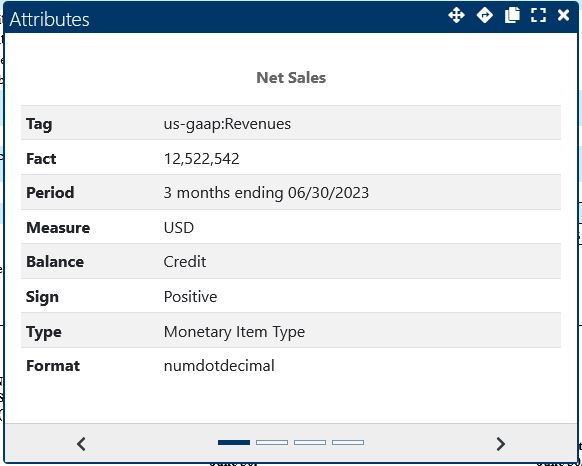
- us-gaap:Revenues – to tag net sales revenue.
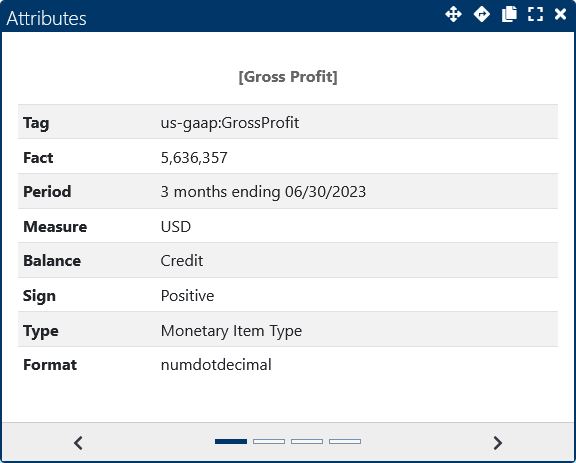
- us-gaap:GrossProfit – for gross profit data.
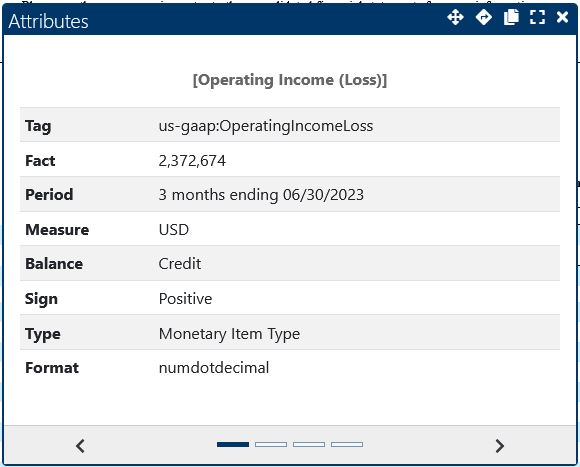
- us-gaap:OperatingIncomeLoss – to tag operating income or loss.
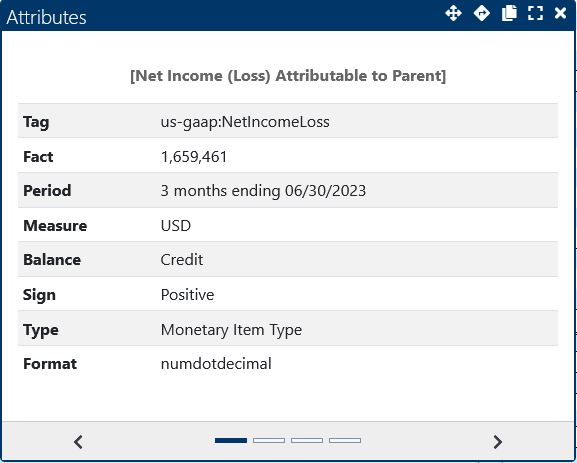
- us-gaap:NetIncomeLoss – for net income or loss data.
Below is an example of how iXBRL can be used to scale income statements. This is from the iXBRL website:
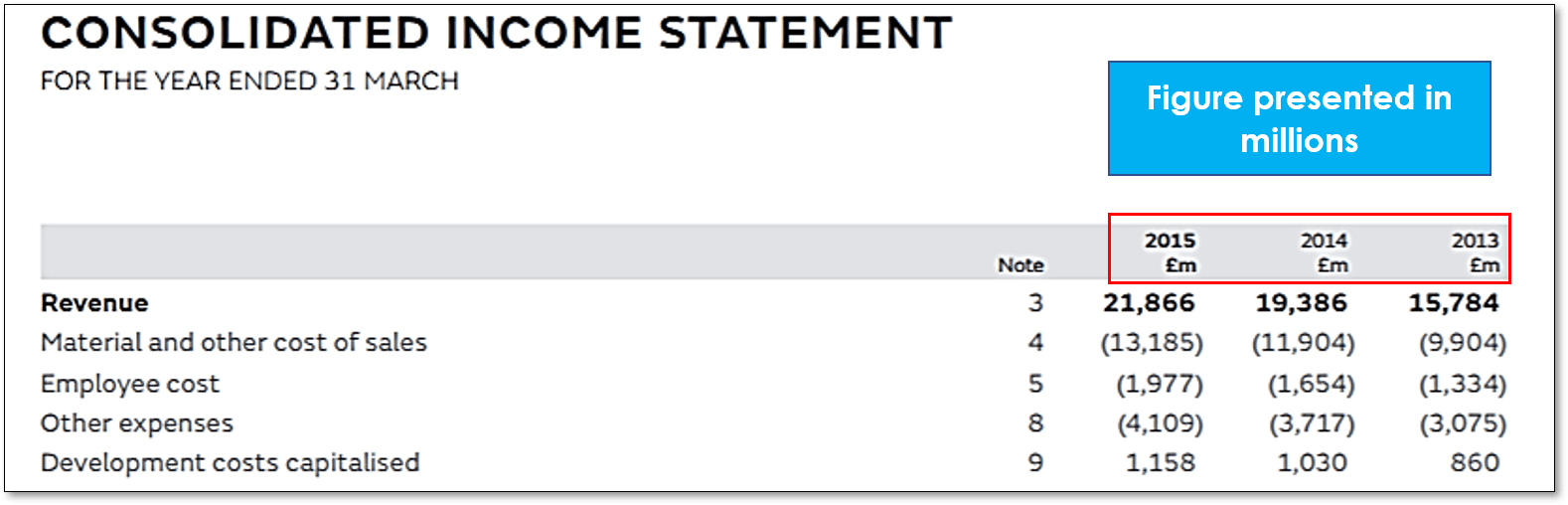
Each of these tags links a specific piece of data to a standard definition, making it easier to understand and compare the data across different companies and financial periods. It is normal to have questions about this type of data tagging. Do not hesitate to reach out to experts who can help you.
Locating iXBRL Tags in Your Filings
To locate iXBRL tags within your filings, you will need an XBRL viewer – software that can read and interpret iXBRL data. With a viewer, you can typically click on or hover over the tagged data in the document, and the corresponding iXBRL tag will be displayed.
Below is an example of iXBRL from Apple’s 10-Q:

Here is another example from Form 8-K
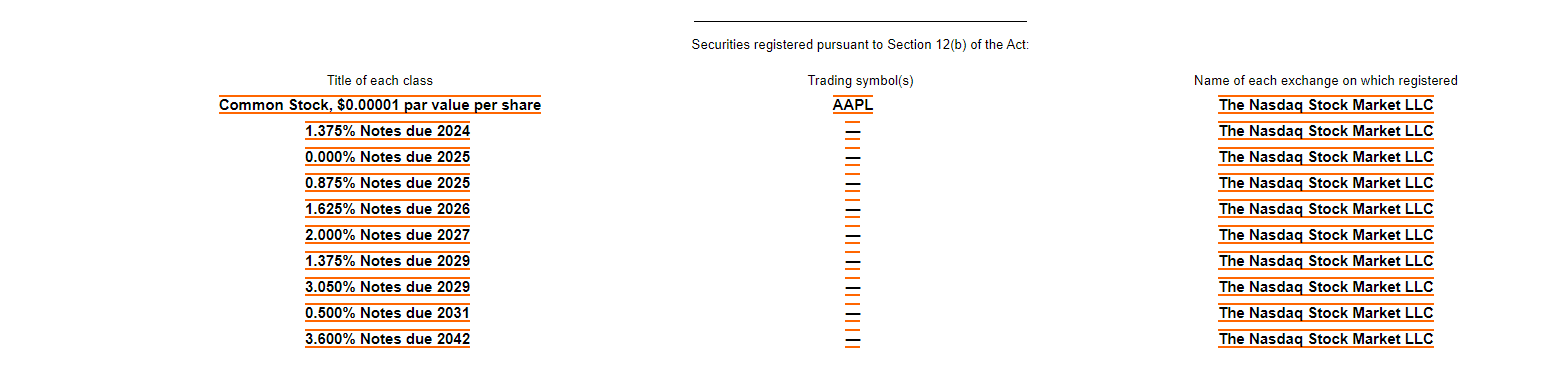
These viewers are especially useful for ensuring your data has been tagged correctly. Mis-tagging can lead to misinterpretation of your data, potentially causing regulatory compliance issues or misleading investors and analysts.
Benefits of iXBRL Tags for Financial Analysis
The advent of iXBRL tags has created numerous benefits for financial analysis, making data processing more efficient and precise. Below are a few key benefits that these tags bring to the table:
- Speed of Data Extraction: With iXBRL tags rendering financial data machine-readable, analysts can rapidly pull data from a company’s reports, significantly reducing the time it takes to collate necessary information.
- Integration with Analysis Tools: The extracted data can be directly fed into analysis tools, streamlining the data analysis process and enhancing productivity.
- Error Reduction: By eliminating the need for manual data entry, iXBRL tags reduce the potential for human errors that can compromise the accuracy of financial analysis.
- Contextualization of Data: Each iXBRL tag provides context for the piece of data it labels, offering a clear understanding of what each figure represents.
- Facilitating Data Comparison: The contextual information from iXBRL tags simplifies the task of comparing data across different companies, contributing to a more holistic and comparative financial analysis.
- Enhanced Insights: With easy data comparison and precise data labeling, iXBRL tags pave the way for deeper, more accurate insights into financial conditions and trends.
In the end, iXBRL tags have revolutionized the realm of financial analysis by making data handling more efficient and accurate. Their adoption has significantly enhanced the depth and quality of insights generated, offering a more thorough understanding of financial conditions and trends.
iXBRL Tags and Regulatory Compliance
For companies making SEC filings, iXBRL tags are not just a tool for enhanced financial reporting; they are a requirement for regulatory compliance. The SEC requires most public companies to submit their financial statements in iXBRL format.
Using the correct iXBRL tags ensures your data is accurately represented and easily interpreted by the SEC and other stakeholders. This helps maintain transparency in your business reporting, a vital aspect of good corporate governance.
Navigating the intricate world of iXBRL tags can be challenging without the right guidance. At Colonial Filings, we can provide expert assistance to help you identify and correctly implement iXBRL tags in your financial reports. With our experienced team at your disposal, we ensure your financial data is accurately represented, ensuring seamless regulatory compliance and data interpretation. Some of the ways we can help you include:
- Filing of Reports: We can convert into EDGAR formats and file yearly summaries (Form 10-K), periodic updates (Form 10-Q), and other material transactions (Form 8-K) for your company.
- Staying Informed on SEC Guidelines: Our experts stay on top of current SEC guidelines, ensuring your organization complies appropriately.
- Insights on Regulatory Challenges: Drawing on our experience, our EDGAR specialists provide guidance on filing requirements and streamlining your filing process.
- Rigorous Document Verification: Through iXBRL, we validate your financials and footnote consistencies, data quality, and calculations.
- On-Time Filing: We ensure that every report is filed within the designated window, eliminating possible sanctions.
Contact us today to find out more about how our services can simplify your interactive financial reporting and bolster your business’s transparency and compliance.