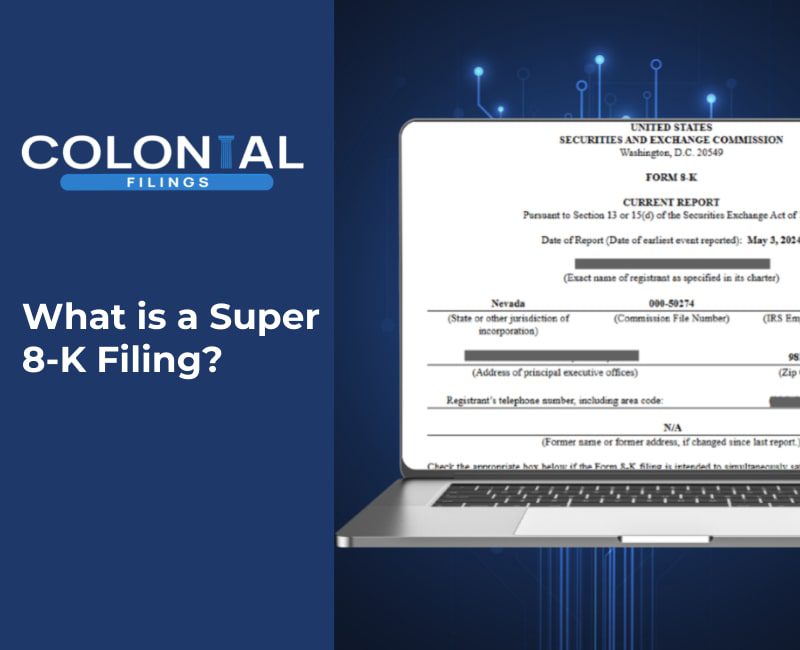
A Super 8-K filing is a specific type of report that public companies must file with the Securities and Exchange Commission (SEC) under certain conditions. It goes beyond the requirements of a standard 8-K by including additional details typically required in a Form 10 registration statement. This form is crucial when a company undergoes significant changes that might affect its financial and operational outlook.
Do you need to file a Super 8-K? What type of information do you need to disclose on this filing?
Why The Super 8-K Filing Matters
The Super 8-K filing is pivotal for providing a comprehensive update on significant corporate events that could influence a company’s future. By requiring detailed disclosures, the form helps maintain an informed and fair marketplace. Investors and stakeholders rely on the thoroughness of these filings to make educated decisions about their involvement with a company. The Super 8-K ensures that all material changes are fully transparent.
Furthermore, the Super 8-K supports regulatory compliance by helping companies manage their reporting obligations during major transitions or events. This can include acquisitions, mergers, or other restructuring activities that significantly alter a company’s landscape. The filing is a critical tool for companies to communicate complex changes that have broad implications for their operational and financial health.
Make Your Next SEC Filing the Easiest One Yet
Join hundreds of satisfied clients who trust our responsive team for their EDGAR/iXBRL filings, newswire, and financial printing needs.
Key Requirements for Super 8-K Filings
The Super 8-K filing includes several specific requirements. A few examples include:
- Must provide the latest financial statements for significant acquisitions.
- Detailed explanation of any material changes to the company’s operations.
- Report the completion of transactions that significantly alter the company’s structure.
- Information about changes in control of the company.
- Disclosure of new financial obligations or off-balance sheet arrangements.
- Details of any changes to the company’s charter, articles, or bylaws.
- Report changes regarding the company’s certifying accountant.
Differences Between Standard 8-K and Super 8-K
| Category | Standard 8-K | Super 8-K |
| Purpose | Reports specific changes/events | Includes more extensive disclosure similar to a Form 10 |
| Disclosure Time | Within four business days of the event | The timeframe varies based on the nature of the event, such as mergers and acquisitions, major asset sales, changes in control, or bankruptcy filings |
| Financial Statements | Not always required | Required, particularly in cases of significant changes |
| Event Types | A broad range, including leadership changes, financial reports, etc. | Focused on major events like mergers, acquisitions, and other transformative events |
| Regulatory Intent | Ensure timely market information | Provide comprehensive disclosure akin to initial registration |
Common Triggers for Super 8-K Filings
Super 8-K filings are triggered by significant corporate events. A few common examples are:
- Acquisitions or Mergers: When a company acquires another or merges, the resulting changes in structure necessitate a Super 8-K. This makes all details about the new entity transparent and available to shareholders. It clarifies how the transaction impacts the financial and operational aspects of the company.
- Major Asset Sales: Selling off a significant portion of assets can alter a company’s operational focus and financial stability. A Super 8-K filing details how the sales impact the company’s strategic direction and financial health. It tells investors about the potential future of the company post-sale.
- Changes in Control: Changes in who controls the company can significantly impact corporate strategy and governance. A Super 8-K provides a clear outline of the new control structure and reassures investors about the company’s governance and future direction.
- Exiting Bankruptcy: Emerging from bankruptcy is a transformative event that affects all aspects of a company. Filing a Super 8-K provides transparency about the new financial structure and operational strategy. It signals a fresh start, which can help regain investor trust and market stability.
- Material Definitive Agreements: Entering into agreements significantly affecting the company’s operations or financial strategies triggers a Super 8-K. This includes joint ventures, major collaboration agreements, or other strategic alliances. Disclosing this information will maintain an informed and stable trading environment for the company’s securities.
What Information Does a Super 8-K Contain?
A Super 8-K filing provides comprehensive information to ensure all stakeholders are fully aware of significant events that could change a company’s trajectory. Common examples include:
- Detailed financial statements following a significant corporate restructuring or acquisition.
- Descriptions of completed transactions, such as mergers or asset sales, that substantially alter the company’s operations.
- Explanations of changes in control, such as shifts in majority ownership or key executive appointments.
- Updates on amendments to the corporate charter, including changes in shareholder rights or company objectives.
- Disclosure of significant agreements newly entered into by the company, such as joint ventures or strategic alliances.
In addition, the Super 8-K outlines any new financial obligations, amendments to the corporate charter, or significant agreements entered into by the company. This level of detail ensures that current and potential investors and other market participants have a clear understanding of the company’s current status and prospects.
The Super 8-K Filing is Crucial in Corporate Transparency.
The Super 8-K filing is critical for corporate transparency, particularly during periods of significant transformation. Super 8-K filings are key areas of attention for issuers and companies going through major corporate events, such as mergers or acquisitions. Companies need to know the requirements they need to follow before submitting a Super 8-K to ensure compliance while communicating key changes to stakeholders. This means understanding what documentation is necessary, when it is necessary, and how to report new financial obligations to the SEC.
Finally, the Super 8-K supports regulatory compliance and helps build investor trust. Transparent reporting through these filings reassures investors about the management’s commitment to openness and legal compliance. It also helps maintain a fair and orderly market. Companies must know whether they need to file a standard 8-K or Super 8-K and ensure they fill out the document properly.